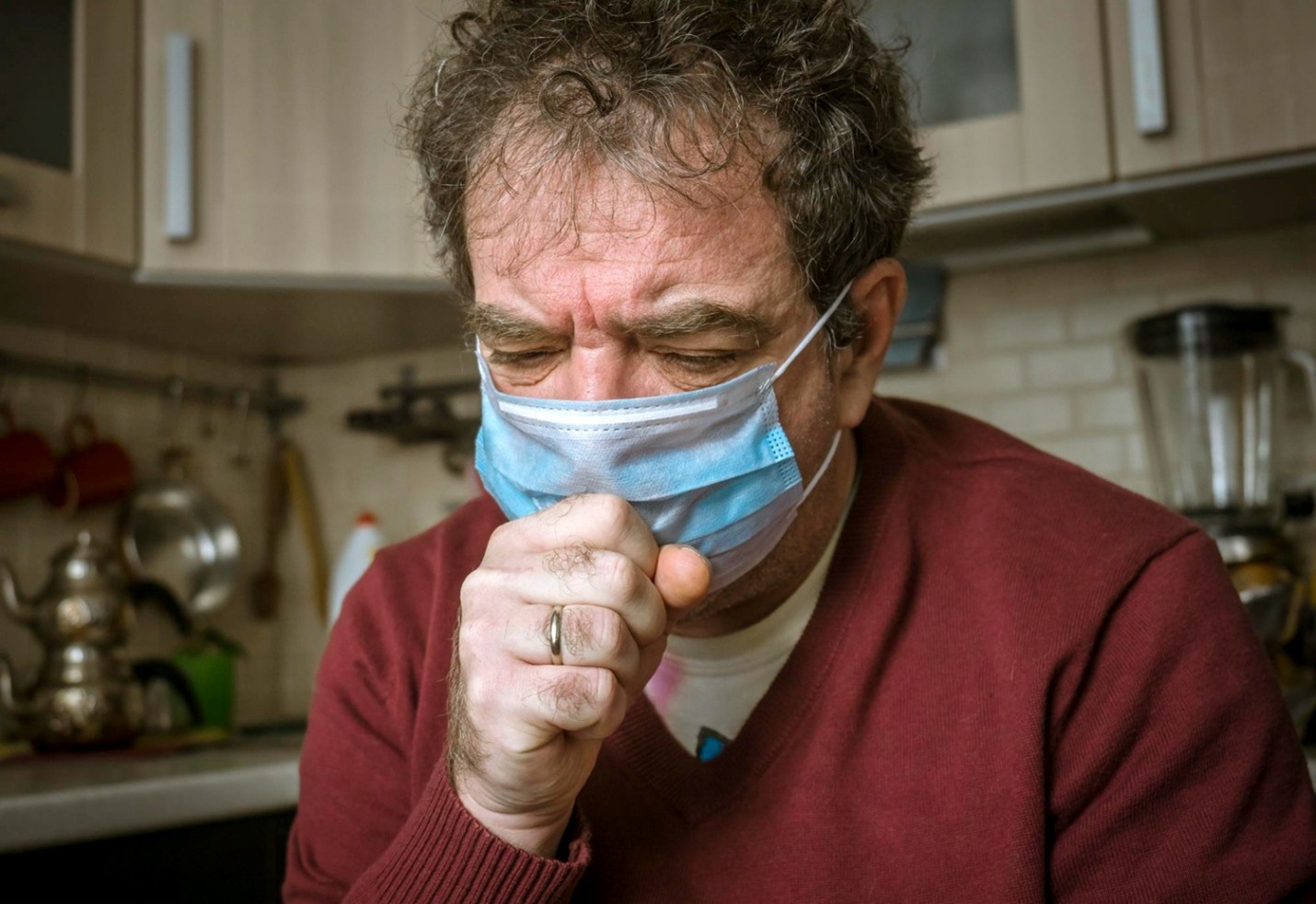
Carbon monoxide (CO) is a silent, odorless gas that poses serious risks to the health and safety of San Antonio homeowners. Exposure to high levels of CO can lead to poisoning, causing symptoms like headaches, dizziness, nausea, and even fatal consequences if undetected. Ensuring your home’s indoor air safety and heating system performance is vital during the colder months. Below, we’ll explore the dangers of carbon monoxide, the importance of proper HVAC maintenance, and practical steps to protect your household.
What is Carbon Monoxide and Why is it Dangerous?
Carbon monoxide is produced when fuels such as natural gas, oil, propane, or wood burn incompletely. This can happen with household appliances like furnaces, stoves, water heaters, and fireplaces. The danger comes from CO’s ability to replace oxygen in your bloodstream, leading to serious health risks. Prolonged exposure or extremely high levels can be life-threatening within minutes.
Understanding where carbon monoxide originates helps you take preventive measures. A poorly maintained heating system is one of the most common culprits, especially in homes with older furnaces or clogged exhaust vents.
Early Warning Signs of Carbon Monoxide Issues
Detecting carbon monoxide early can make the difference between safety and disaster. Here are common warning signs of CO problems in your home:
- Yellow or flickering pilot lights instead of steady blue flames.
- Soot buildup around your furnace or other gas appliances.
- Condensation on windows near heating vents.
- A musty or burning smell during furnace operation (though CO itself is odorless).
- Unexplained health symptoms such as headaches, dizziness, or fatigue among all household members.
If you notice any of these signs, turn off your heating system immediately and contact a professional HVAC technician for inspection and repair.
The Importance of CO Detectors
One of the most effective ways to prevent carbon monoxide poisoning is by installing carbon monoxide detectors. These life-saving devices continuously monitor CO levels in your home and alert you to potential dangers before they become hazardous. To ensure maximum protection:
- Place CO detectors outside every sleeping area and on each floor of your home.
- Test detectors monthly and replace batteries twice a year.
- Replace units every 5–10 years, as recommended by the manufacturer.
Remember, CO detectors are a critical safety net, but they should never replace regular HVAC maintenance.
Furnace Safety and Ventilation
Your furnace is the heart of your heating system, but it can also become a source of carbon monoxide if improperly maintained. Follow these safety tips to keep your system running smoothly:
- Schedule annual professional HVAC inspections to ensure all components are functioning correctly.
- Regularly clean or replace furnace filters to prevent debris buildup.
- Check your home’s ventilation system to ensure air flows freely. Blocked or dirty vents can trap CO indoors.
- Never block exhaust pipes or fresh-air intake vents near your furnace, as these play a crucial role in expelling harmful gases.
Proper ventilation not only reduces CO risks but also improves overall indoor air quality, keeping your home comfortable and safe.
The Role of Regular Maintenance in Preventing CO Hazards
Investing in your HVAC system’s upkeep offers peace of mind and long-term savings. Here’s how regular maintenance helps reduce carbon monoxide risks:
- Professional tune-ups ensure gas lines, burners, and heat exchangers operate efficiently.
- Technicians can detect and repair minor issues before they escalate into safety hazards.
- Maintenance prolongs the life of your furnace, ensuring it runs efficiently and with less risk of incomplete fuel combustion.
By keeping your heating system in top shape, you not only protect your family from CO exposure but also maintain energy efficiency and reduce utility costs.
Stay Proactive and Protect Your Home
Preventing carbon monoxide poisoning requires a proactive approach. Installing CO detectors, scheduling regular HVAC inspections, and ensuring proper ventilation work hand-in-hand to create a safer home environment. Address potential risks early, and never ignore strange odors, warning signs, or symptoms of CO exposure.
Stay Comfortable All Year Long with Zero Heating A/C and Refrigeration
📞 Click Here to Schedule a Call today at (210) 900-0824 or 📧 email info@zeroacr.com to schedule your service or get a free estimate. We proudly serve San Antonio, TX, homeowners with reliable solutions to keep your home comfortable in every season.