Winter can be a demanding season for HVAC systems, even if your air conditioner remains inactive during the colder months. Once spring arrives, restarting your AC may reveal hidden issues that could disrupt your comfort and increase energy costs. Understanding these post-winter AC problems and addressing them early can help homeowners and business owners in San Antonio, Texas, avoid costly repairs and maintain an energy-efficient system throughout the warmer months.
Why AC Systems Develop Issues After Months of Inactivity
Over the winter, your air conditioner sits idle, exposed to dust, debris, and varying outdoor conditions. This inactivity often causes components to deteriorate or develop minor issues that you may not notice until the system is turned back on. For example, electrical connections can loosen, refrigerant levels might drop, and parts like fans or motors can rust if moisture builds up. Ignoring these issues can lead to more significant problems when temperatures rise, making it critical to inspect your AC system before heavy use.
Common Problems After Winter
- Refrigerant Leaks
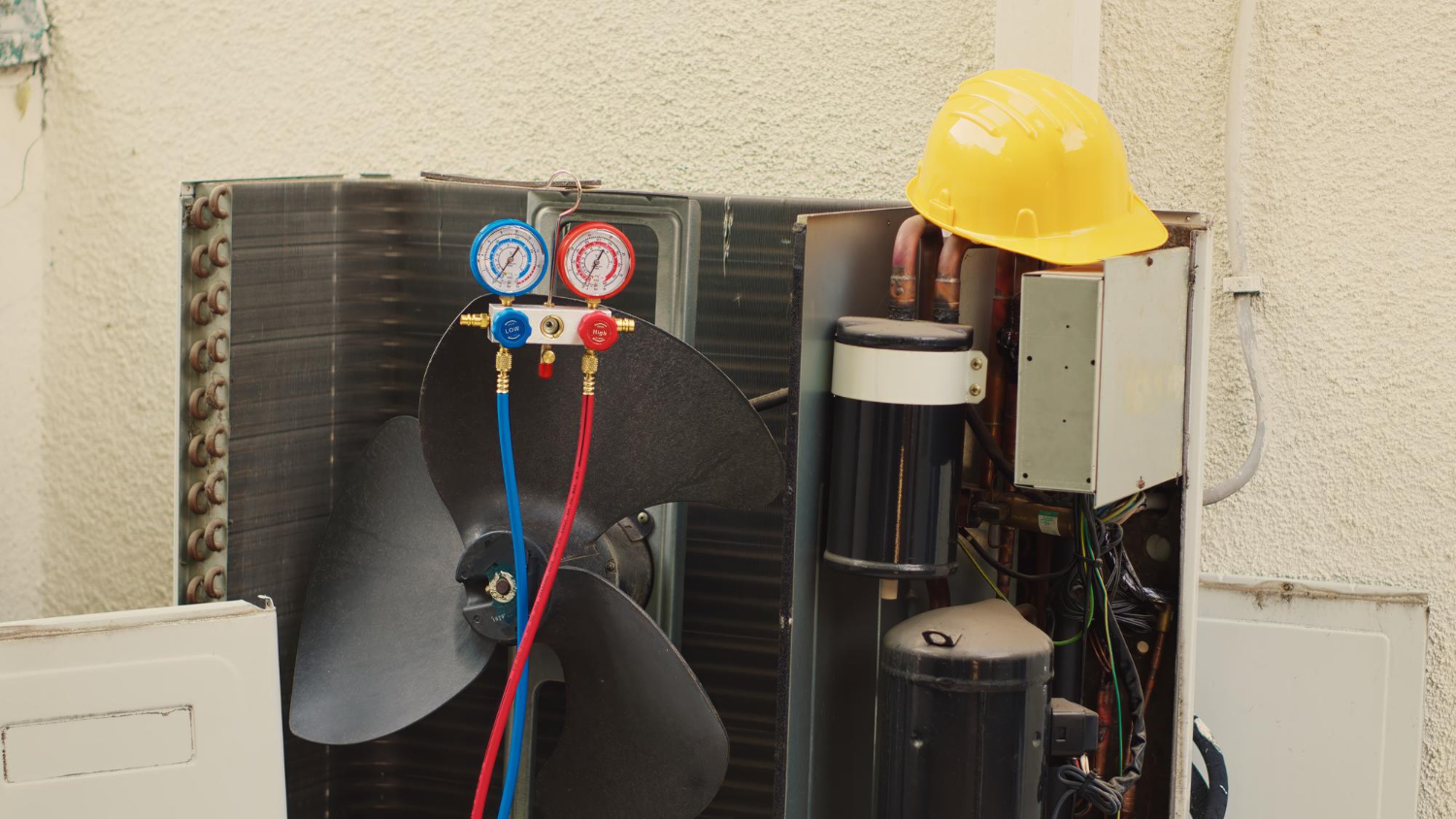
One of the most common AC issues after winter is refrigerant leaks. Over time, wear and tear on coils or connections can lead to small leaks, making your system unable to cool effectively. Low refrigerant levels not only reduce energy efficiency but also strain the compressor, potentially causing a complete breakdown.
- Electrical Component Wear
When your AC sits dormant for months, electrical components like relays, capacitors, and wiring are at risk of damage. Cold weather can sometimes cause parts to become brittle or corrode, leading to malfunctions when the system restarts. If left unchecked, these electrical problems could pose safety risks or cause your AC to stop working altogether.
- Blocked or Dirty Coils
Dirty or blocked evaporator and condenser coils are another frequent post-winter issue. Dust and grime can accumulate on these coils while your AC is inactive, reducing airflow and diminishing your system’s efficiency. This buildup forces your AC to work harder to cool your home or business, increasing energy consumption and utility bills.
Warning Signs You Shouldn’t Ignore
It’s essential to be aware of potential warning signs when restarting your AC in spring. Some red flags to watch for include:
- Unusual noises, such as buzzing or grinding sounds, which may indicate loose or worn-out components.
- Reduced cooling performance, where rooms take longer to reach your desired temperature.
- Higher energy bills, reflecting a drop in efficiency.
- Warm air blowing, even when the AC is set to cool, which could point to refrigerant issues or blocked airflow.
If you notice any of these signs, it’s best to call a professional HVAC technician to inspect your system promptly.
How Post-Winter Issues Impact Energy Efficiency and Comfort
Neglecting AC maintenance after winter can significantly affect both your indoor comfort and energy efficiency. A malfunctioning system will struggle to maintain a consistent temperature, leading to uneven cooling or hot spots in your home or business. Additionally, inefficient systems consume more energy, increasing your utility bills while putting unnecessary stress on HVAC components. Over time, this added strain can shorten the lifespan of your AC, resulting in even more costly repairs or replacements.
Preventive Steps to Avoid Breakdowns in Warmer Months
To keep your air conditioner running smoothly and efficiently after winter, follow these preventive tips:
- Inspect and clean your unit – Remove debris, leaves, or dirt from the outdoor unit and ensure the surrounding area is clear.
- Replace air filters – Dirty filters reduce airflow and strain your system, so replace them regularly.
- Check your thermostat settings – Make sure your thermostat is properly set to cooling mode and consider upgrading to a programmable or smart thermostat for better efficiency.
- Schedule a professional inspection – Have an HVAC technician evaluate your system for signs of wear, refrigerant leaks, and overall performance.
- Test your AC early – Turn your AC on before temperatures peak to identify and address any problems ahead of time.
By following these steps, you can lower the risk of breakdowns and keep your indoor environment comfortable as the Texas heat sets in.
Stay Comfortable All Year Long with Zero Heating A/C and Refrigeration
Whether you need HVAC repairs, maintenance, or a new system installation, our expert team is here to help. We proudly serve homes and businesses across San Antonio, TX, with reliable, energy-efficient solutions.
📞 Click Here to Schedule a Call today at (210) 900-0824 or 📧 email info@zeroacr.com to schedule your service or get a free estimate. We proudly serve San Antonio, TX, homeowners with reliable solutions to keep your home comfortable in every season.